The short version
Long COVID has no established drug treatment, which is why an intervention with a plausible mechanism attracts serious attention. Hyperbaric oxygen has that mechanism: the persisting symptoms most often reported are cognitive, and there is imaging evidence of altered brain perfusion in this population, which is the kind of deficit hyperbaric oxygen can address.
What the evidence supports today is a treatment worth taking seriously and not yet one you can rely on. One well-conducted trial is positive, two shorter ones are null, a large uncontrolled series is encouraging, and the discrepancy has a plausible explanation that nobody has tested directly. Treating that as settled in either direction means ignoring half of it.
| Established | Still contested |
|---|---|
| Long COVID has no proven pharmacological treatment | Whether HBOT improves long COVID outcomes |
| Cognitive symptoms dominate the reported burden | Whether 40 sessions is a real dose threshold |
| HBOT raises brain tissue oxygen and alters cerebral perfusion | Whether imaging changes translate to lasting benefit |
Forty sessions at 2.0 ATA improved cognitive scores against sham
The anchor study comes from Shai Efrati's group at the Sagol Center for Hyperbaric Medicine, Shamir Medical Center in Israel, published in Scientific Reports in 2022. It was randomized, double-blind and sham-controlled.
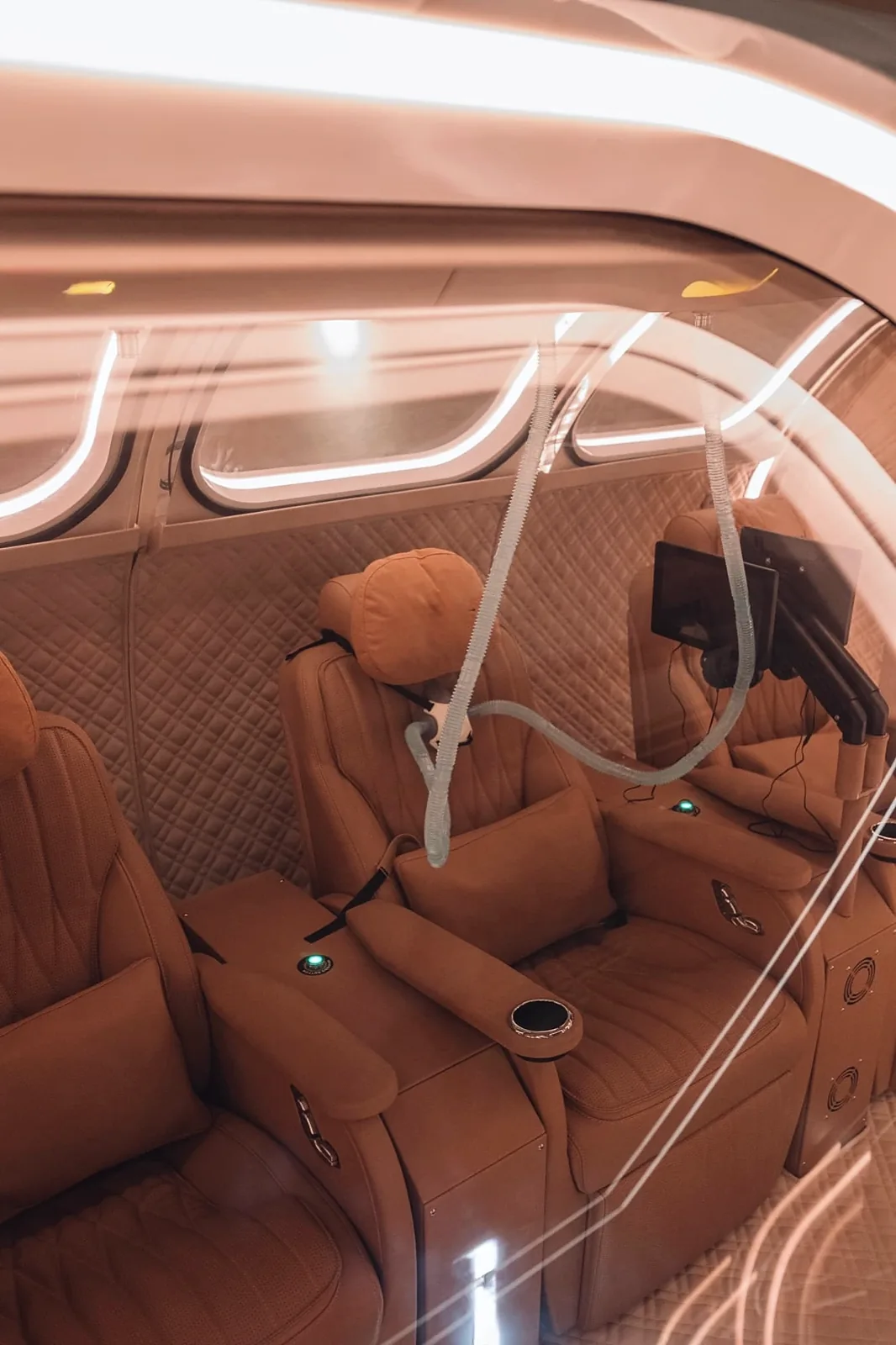
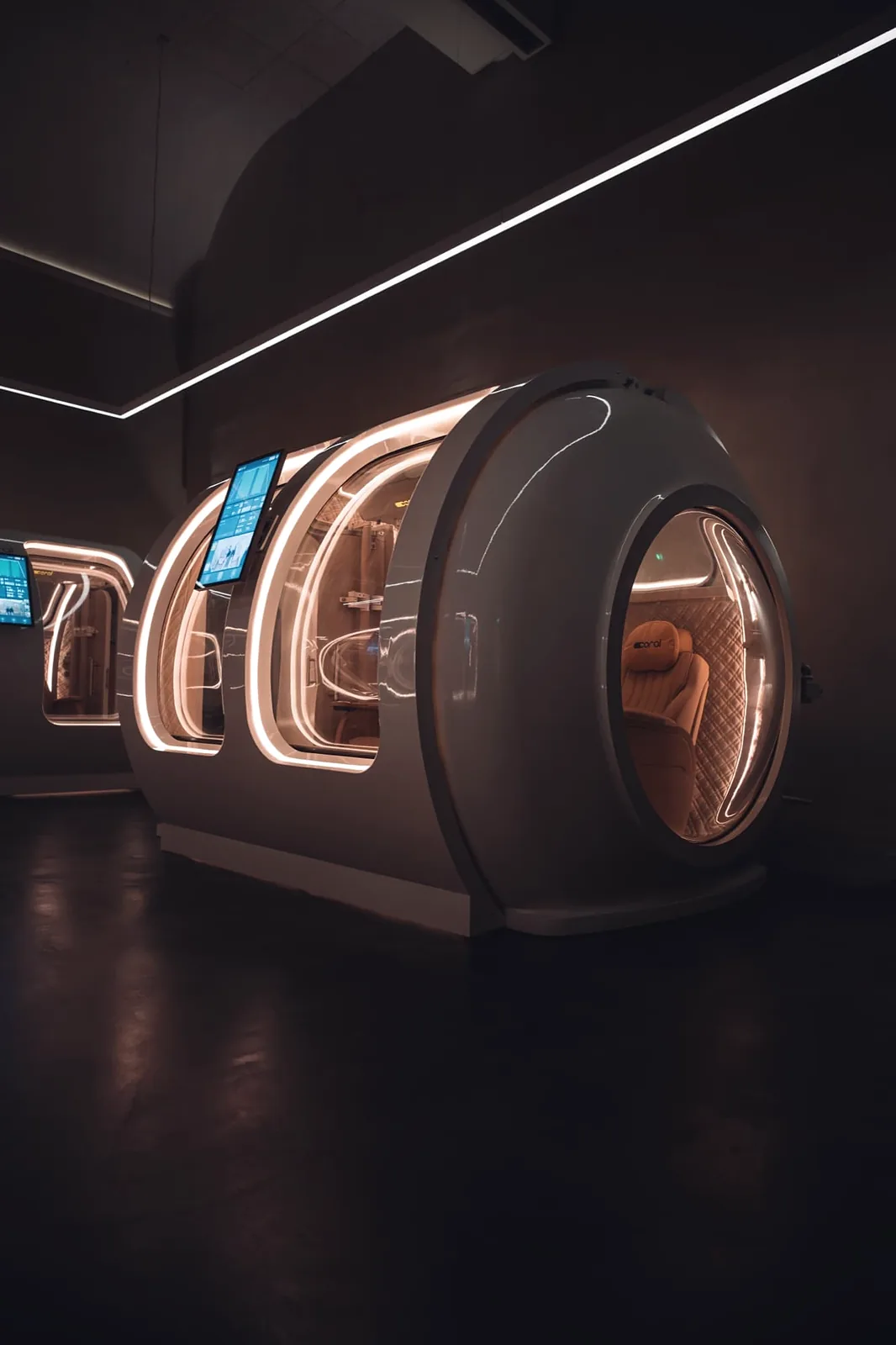
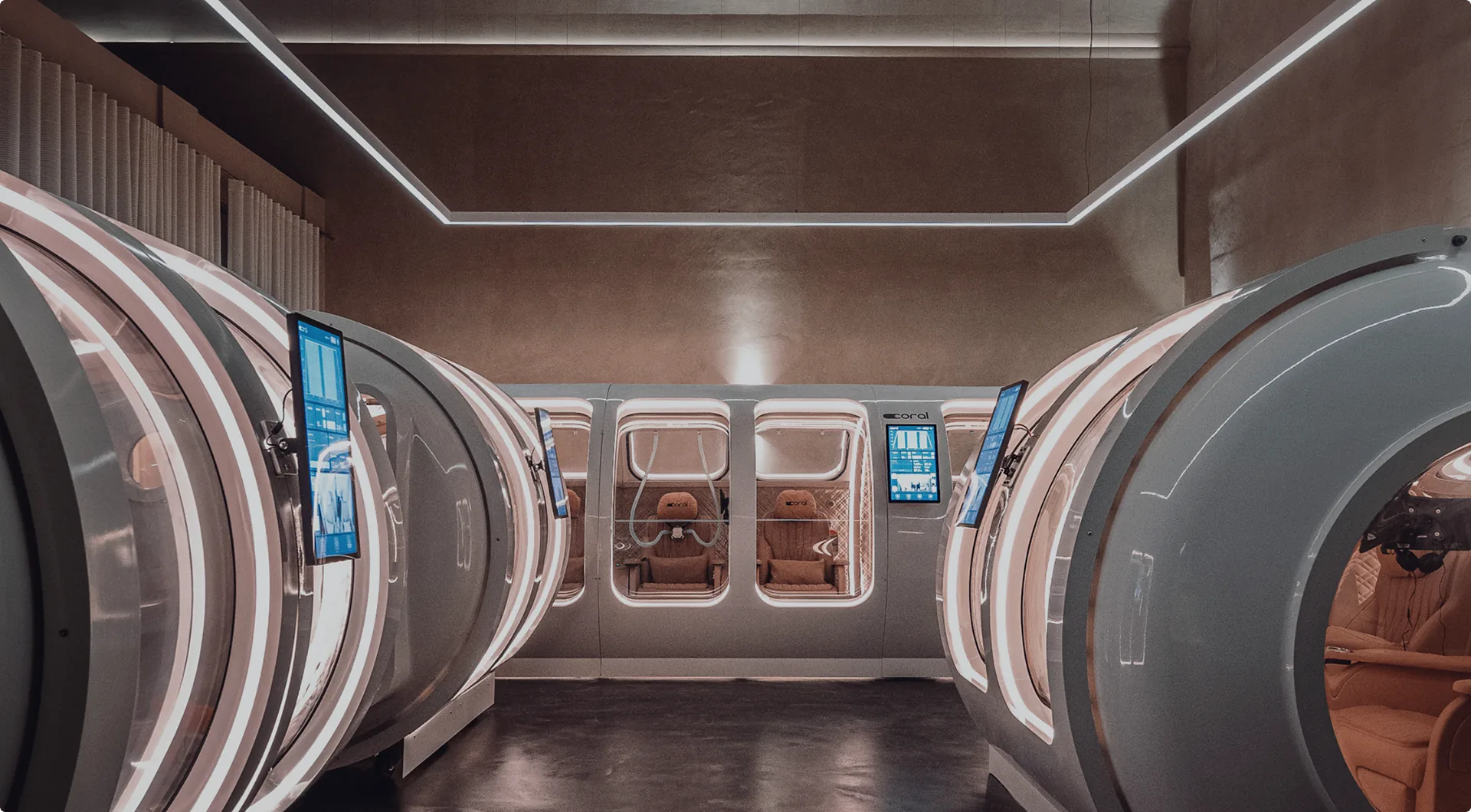
They enrolled patients with symptoms persisting at least three months after confirmed infection and randomized 79, of whom 73 completed: 37 to hyperbaric oxygen and 36 to sham. The active protocol was 40 daily sessions, five days a week, breathing 100% oxygen by face mask at 2.0 ATA for 90 minutes, with five-minute air breaks every 20 minutes. Sham sessions used 21% oxygen at 1.2 ATA falling to 1.03 ATA, with circulating air noise to mimic compression. Delivering oxygen by individual mask inside a hard-shell chamber, which is the arrangement we use, is what makes that sham possible: pressure applies to the whole cabin while the gas each person breathes is set separately, so the two variables can be pulled apart.
The group-by-time interactions favored oxygen across most domains, with medium effect sizes: global cognitive score d = 0.495, attention d = 0.477, executive function d = 0.463, energy d = 0.522, sleep d = −0.48, psychiatric symptoms on the BSI-18 d = 0.636 and pain interference d = 0.737. Anxiety improved in the treated group but the interaction did not reach significance. The clinical results were accompanied by changes in brain MRI perfusion and microstructure in regions including the supramarginal gyrus, insula and middle frontal gyrus, and the authors concluded that HBOT "can induce neuroplasticity" in this population.
Study limitations
- Single center, 73 patients analyzed. Adequately powered for medium effects, not for confident generalization.
- Many outcomes, several p values at the margin. Global cognition p = 0.038, attention p = 0.04 and executive function p = 0.05 sit close to the threshold across a wide panel of measures.
- Blinding was imperfect. Correct allocation was guessed by 54.1% of the treated group and 66.7% of the sham group, a difference that did not reach significance but leaves room for expectation effects.
- Imaging changes are surrogate markers. Altered perfusion correlating with symptom scores is supportive, not proof of mechanism.
- Not independently replicated. Every positive trial in this indication comes from the same research group.
A companion analysis of the same cohort, published in NeuroImage Clinical, examined functional and structural brain connectivity and reported changes that tracked the cognitive and psychiatric improvements. That consistency is worth something: an imaging result that moves with the symptom scores is harder to explain by expectation alone than a questionnaire result on its own. It is still the same 73 patients from the same center, so it strengthens the internal case rather than answering the replication question.
The one-year follow-up is a single-arm study, not a controlled one
A 2024 follow-up from the same group revisited 31 of the treated patients roughly 486 days after their last session and reported that quality-of-life and sleep gains had held, with effect sizes of 0.47 to 0.79 on sleep domains.
This finding is widely quoted as evidence that the benefit lasts. Read the design before accepting that. The follow-up recruited only the arm that received hyperbaric oxygen, so there is no sham group at the one-year point and no way to separate a persisting treatment effect from the natural course of illness, regression to the mean, or the motivation of patients willing to return for reassessment. It is a reasonable hypothesis-generating exercise and it is not the controlled evidence its popular coverage implies.
What HBOT is thought to do in long COVID, and where that reasoning stops
There is a real rationale here, and it is worth separating the part that rests on observation from the part that rests on inference.
The observed part is that long COVID's dominant symptoms are neurological. In the Dutch registry described below, the complaints most often rated severe or extreme at baseline were fatigue, difficulty processing stimuli, post-exertional malaise, loss of physical fitness and concentration problems. Brain fog, word-finding trouble and memory problems were close behind.
The proposed mechanisms are neuroinflammation, microvascular and endothelial dysfunction with secondary tissue hypoxia, mitochondrial dysfunction, and microclotting. Hyperbaric oxygen plausibly touches several: it raises dissolved oxygen enough to reach poorly perfused tissue, it modulates inflammatory signaling, and repeated exposures drive angiogenesis in the way described in the wound literature.
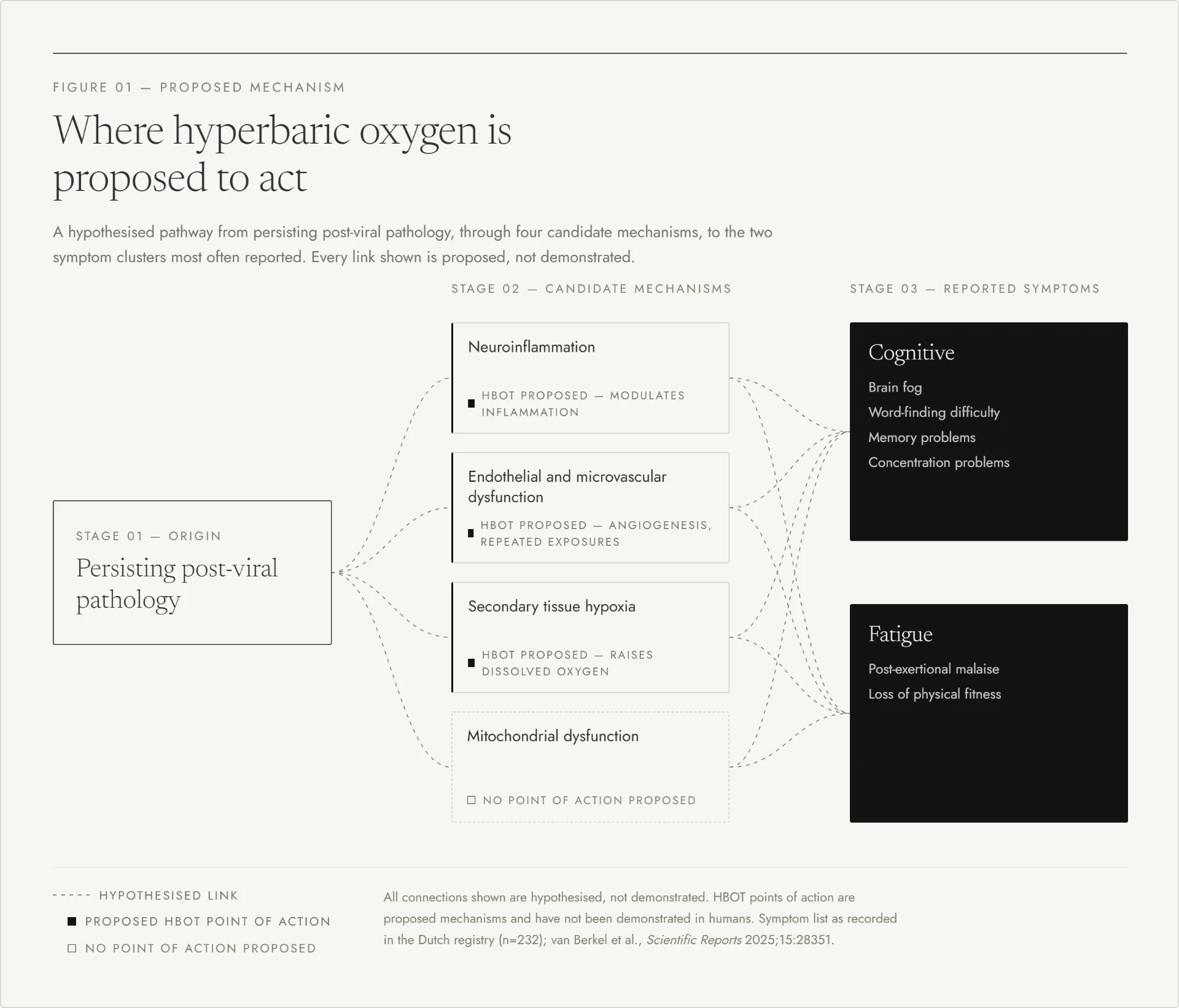
The inference is the step from mechanism to outcome. Every element above is a hypothesis about long COVID rather than a settled account of it, and a treatment that plausibly addresses a hypothesized cause has not thereby been shown to work. Closing that gap is what the trials are for, which is why the next section matters more than this one.
Both null trials used around ten sessions
Set the two null trials side by side and the same number appears in both.
Closest to home, HOT-LoCO
HOT-LoCO ran at Karolinska University Hospital in Stockholm and published in BMJ Open in 2025. Anders Kjellberg's group randomized 80 previously healthy patients aged 18 to 60, analyzing 79, to either 10 sessions of oxygen at 2.4 ATA for 90 minutes or sham air at 1.34 falling to 1.2 ATA, over six weeks. At 13 weeks both groups had improved and neither had improved more: the least-squares mean difference on RAND-36 physical functioning was 0.63 (95% CI −7.04 to 8.29, p = 0.87) and on role-physical 2.35 (95% CI −5.95 to 10.66, p = 0.57). An exploratory analysis raised a hypothesis about a possible longer-term effect, which the authors correctly presented as a hypothesis.
A Belgian trial published in Diving and Hyperbaric Medicine in 2025 went further and tried to separate pressure from oxygen. Peter Germonpré's group at the Queen Astrid Military Hospital randomized 101 patients across four arms, all receiving 10 sessions in a chamber: 100% oxygen at 2.5 ATA, 40% oxygen at 2.5 ATA, 100% oxygen at 1 ATA, and 21% oxygen at 1 ATA. No arm outperformed another, and the authors suggested that "the very modest improvements reported in other studies were due to a placebo effect".
Study limitations of the null trials
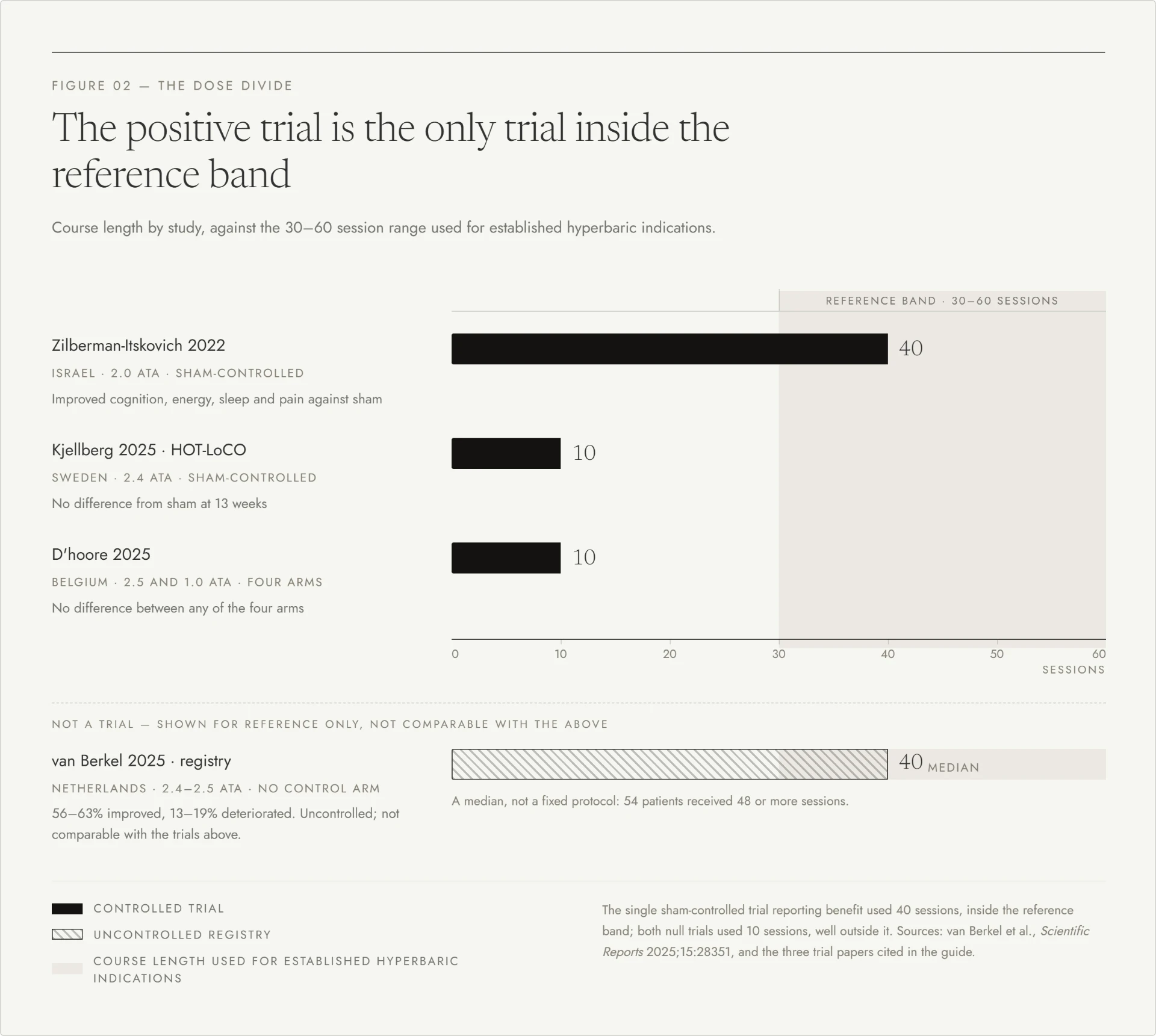
- Ten sessions in both cases, roughly a quarter of the dose used in the positive trial, in an indication where the proposed mechanism is angiogenesis and neuroplasticity over weeks.
- HOT-LoCO excluded diabetes, hypertension and anyone over 60, and required substantial baseline impairment, so its population is narrower than clinic populations.
- The Belgian four-arm design splits 101 patients across four groups, leaving roughly 25 per arm and limited power to detect a medium effect.
- Sham arms improved in all of them, which is real information about long COVID trials rather than a flaw.
One finding common to all three trials deserves separating out, because it is easy to read as noise. The sham groups improved. Not marginally, and not in one study: in HOT-LoCO both arms gained ground on the primary outcome, and the Belgian trial's lowest-dose arm did as well as its highest. Whatever produces that, and attention from a specialist team, weekly contact, structured routine and the passage of time are all candidates, is producing a real change in the scores people report.
The practical implication for you is that a first-person account of feeling better after a course, however sincere, cannot separate the oxygen from everything else that comes with it. That is what the sham arms are for, and it is why the controlled trials carry more weight than the testimonials.
Two readings fit this pattern equally well, and the field has not decided between them. Either the dose matters and 40 sessions crosses a threshold that 10 does not, which is what the established indications would predict, or the single positive trial is a marginal result from one center that two better-blinded trials have failed to reproduce. Anyone who tells you which of those is correct is going beyond the evidence.
What 232 real-world long COVID patients reported
The largest dataset on HBOT for long COVID is not a trial. In 2025 a Dutch group published a prospective registry covering 232 patients treated at six of the nine hyperbaric centers in the Netherlands, at 2.4 to 2.5 ATA for 90 to 110 minutes, median 40 sessions. These were not mild cases: the median interval between infection and treatment was 20 months, and 91 patients were completely unable to work.
At three months, 56% of those assessed on the SF-36 had a clinically meaningful improvement in mental or physical component score, and 61% cleared the threshold on the EQ-5D scale. The largest symptom reductions were cognitive: word-finding problems improved in 73% of those severely affected, irritability in 72%, memory in 70% and brain fog in 68%.
The authors are careful about what this can and cannot show, noting that "a causal effect of HBOT on the outcomes cannot be established". There was no control group, patients self-funded and were therefore selected for motivation and means, and the sham arms of the controlled trials improved too. What partially offsets this is the 20-month median: spontaneous recovery in long COVID appears to plateau somewhere after 6 to 12 months, so improvement at that distance from infection is less easily explained by natural history.
Symptom scores moved considerably more than function did. Among patients unable to work at baseline, 11% had resumed some work at three months, and those already working reduced hours had not increased them. Three months is a short window in which to expect an occupational recovery after a median 20 months out, so this is a gap in the measurement as much as in the result, and the one-year follow-up should say more.
The 13% who worsened changed how Dutch centers select patients
Most of the registry cohort came through the course without difficulty, and the adverse events recorded were largely minor and reversible. The interesting group is the minority who did not, because working out who they are is what turns a treatment with mixed trial results into one that can be aimed properly.
Of the 137 patients assessed at three months, 13% had a clinically relevant deterioration in quality of life. Split by course length, that was 11% among the 105 who received the standard 40 sessions and 19% among the 32 extended to 50 or 60. Ten patients stopped treatment altogether because the sessions were too exhausting and their fatigue or other symptoms worsened. Given how common post-exertional malaise is in this population, a daily trip to a hospital chamber for eight weeks is itself a substantial exertional load, and that is a far more tractable explanation than anything about the oxygen.
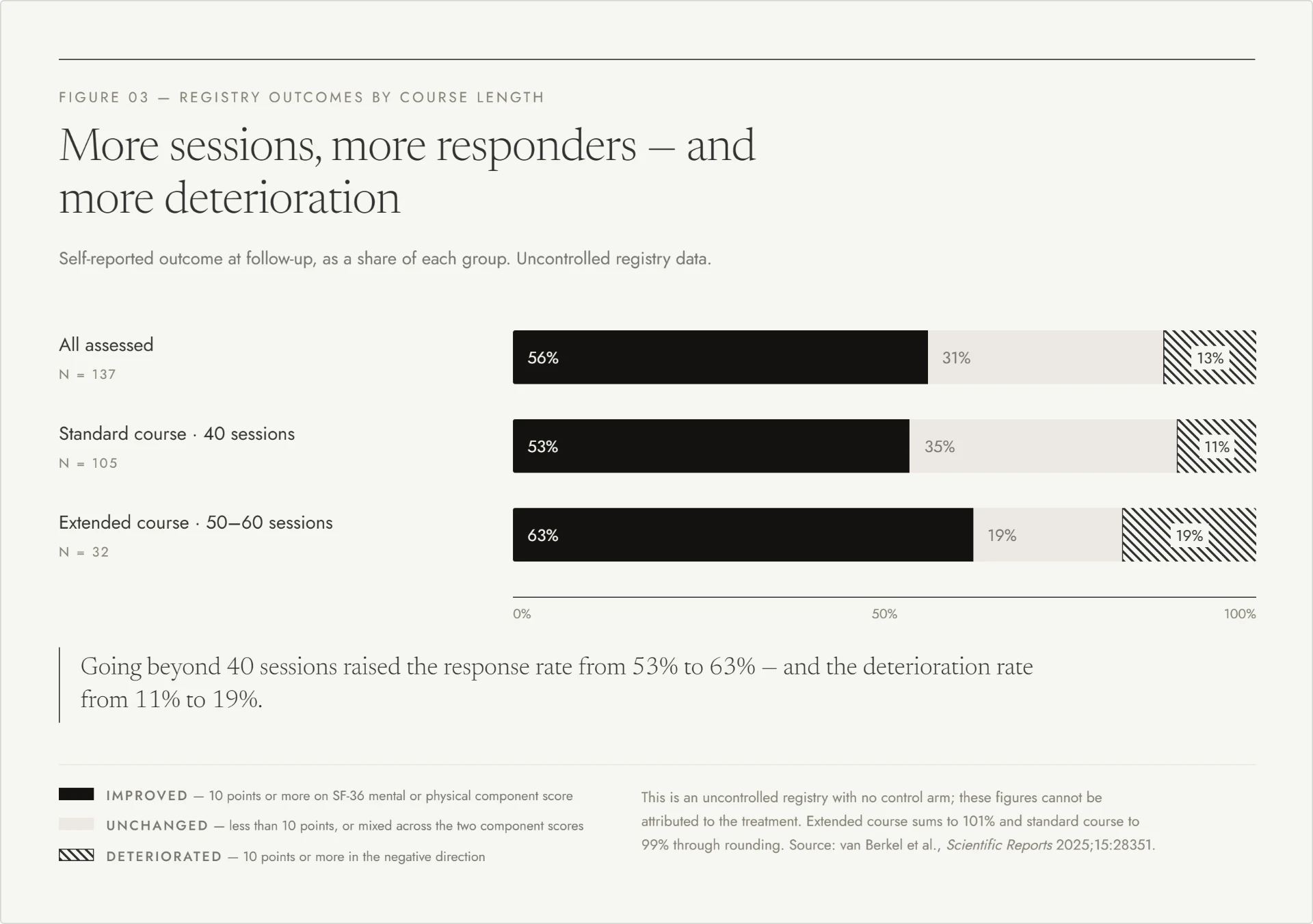
Note which direction the extension data runs. Going beyond 40 sessions raised the deterioration rate from 11% to 19% while raising the response rate from 53% to 63%, which is the opposite of what a straightforward dose-response relationship would predict. Read alongside the trial evidence, that suggests a course length worth targeting rather than a quantity to maximize.
The Dutch centers changed their eligibility criteria in response, and this is the most transferable thing in the registry. They now require a minimum of four hours of upright activity per day as a proxy for enough physiological resilience to complete a course, and they tell patients up front that worsening fatigue during treatment is a legitimate reason to stop rather than something to push through. If you are weighing a course of this length, exertional headroom is the question to arrive with.
Where the evidence runs out
- The dose question is unresolved and testable. No trial of HBOT for long COVID has compared 40 sessions against 10 against sham in the same population, which is the study this field most needs.
- Every positive controlled result comes from one center. Independent replication of the 40-session protocol is the single thing that would change the grade of this evidence.
- Symptom improvement has not translated into function. Return-to-work figures in the registry were far weaker than the quality-of-life scores, and no trial has used return to work as a primary endpoint.
- Responders cannot be identified in advance. The registry's own conclusion is that establishing who is most likely to respond requires the controlled trials that have not yet been done.
- Long COVID is not an approved indication. It appears on no professional-society list, including the UHMS indications, and a 2023 Canadian health technology scan and a 2025 systematic review in Undersea and Hyperbaric Medicine both concluded that larger randomized trials are needed.
The protocols behind the evidence
Protocols for HBOT in long COVID vary more than for any other hyperbaric indication, which is part of why the results conflict. Here is what each study actually did, so you can compare any protocol against them.
| Study | Pressure | Oxygen | Session | Course | Control arm | Result |
|---|---|---|---|---|---|---|
| Zilberman-Itskovich 2022 (Israel) | 2.0 ATA | 100% by mask | 90 min, air breaks every 20 min | 40 sessions over 8 weeks | 21% at 1.2 falling to 1.03 ATA | Medium effects on cognition, energy, sleep, pain |
| Kjellberg 2025, HOT-LoCO (Sweden) | 2.4 ATA | 100% | 90 min | 10 sessions over 6 weeks | Air at 1.34 to 1.2 ATA | No difference at 13 weeks |
| D'hoore 2025 (Belgium) | 2.5 and 1.0 ATA | 100%, 40%, 21% | Not stated in abstract | 10 sessions | Four-arm dose comparison | No difference between any arms |
| van Berkel 2025 registry (Netherlands) | 2.4 to 2.5 ATA | 100% by mask or hood | 90 to 110 min, air breaks every 20 min | Median 40 sessions | None, uncontrolled | 56 to 63% improved, 13 to 19% deteriorated |
Two features stand out. The positive trial is the low-pressure one, which cuts against the intuition that more pressure means more effect. And it is the only one that ran a course length comparable to the established indications, where protocols run 30 to 60 sessions because the mechanism relied on takes weeks to develop.
How this compares with our own protocol
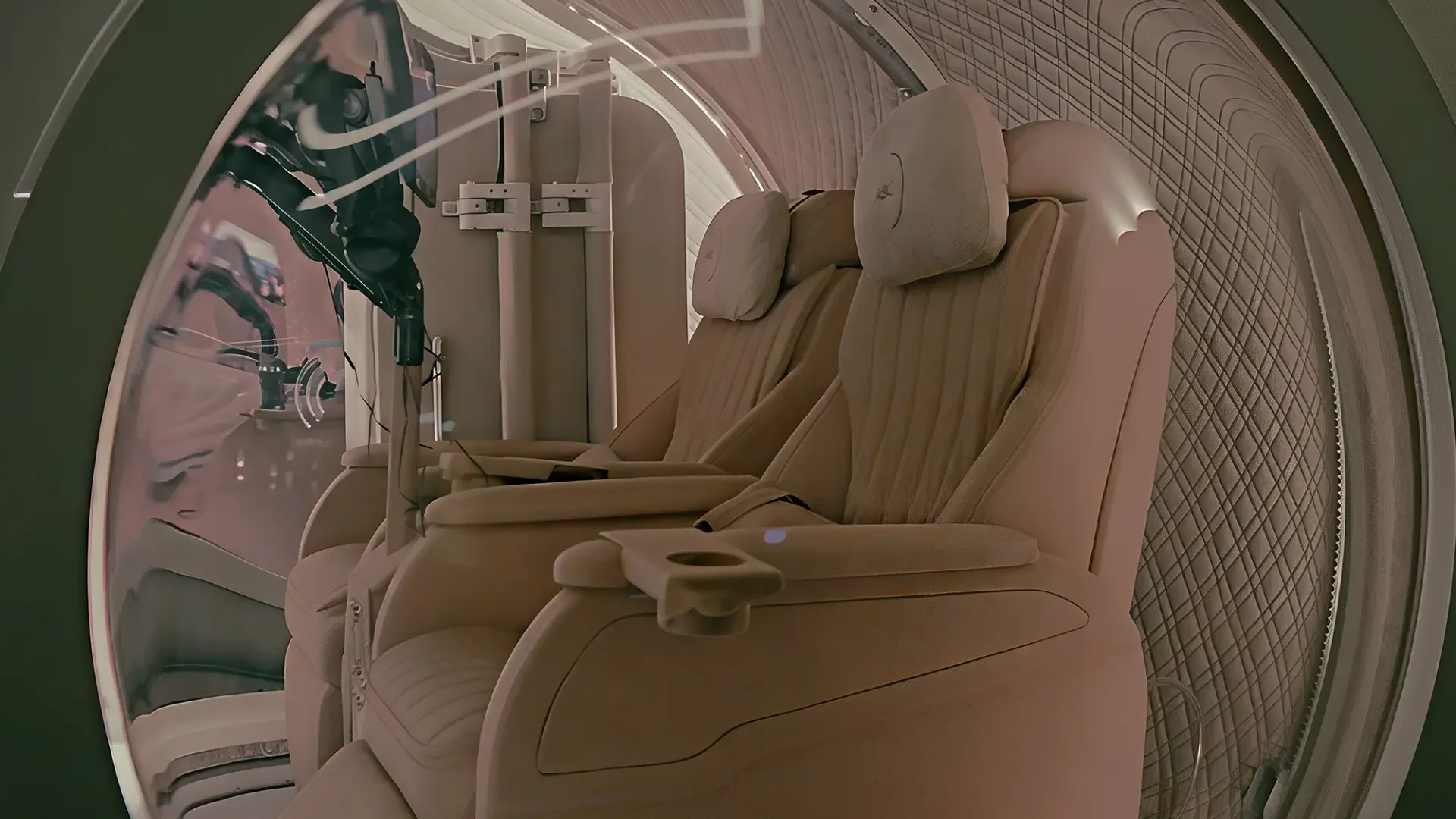
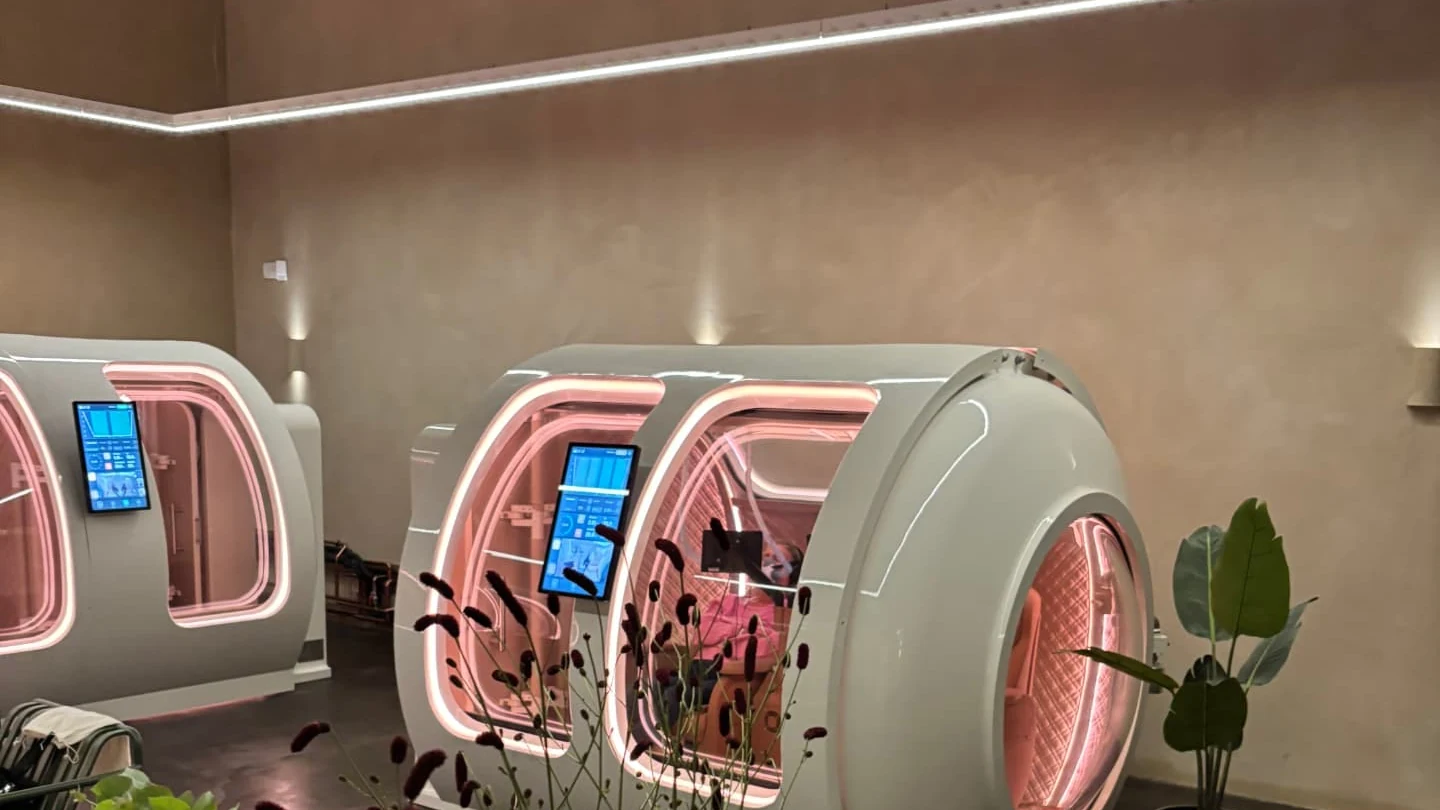
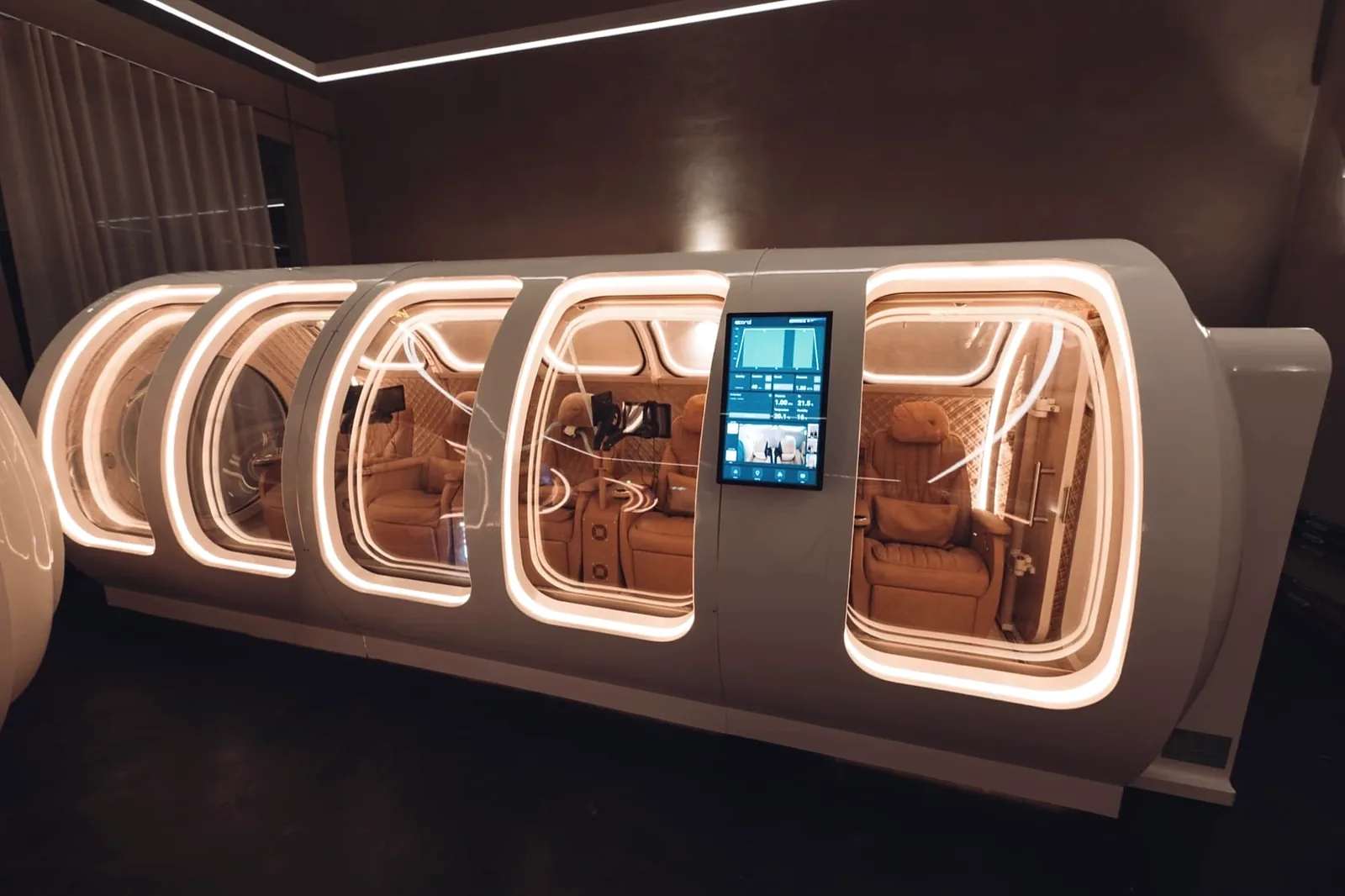
We treat at 2.0 ATA, with oxygen by individual mask at approximately 93% (±3%), giving an inspired oxygen pressure of about 1.86 ATA, in CE-certified hard-shell multiplace chambers, in sessions of 65 or 90 minutes with roughly ten minutes of compression at each end.
Against the anchor trial those are close: the same pressure, the same session length at the 90-minute option, the same delivery by individual mask, in the same chamber architecture. The trial used 100% oxygen for an inspired pressure of 2.0 ATA against our 1.86, and it ran 40 consecutive sessions. Run those figures against the table above, and against any other provider you are considering.
Long COVID is not an approved indication, and we do not present hyperbaric oxygen as a treatment for it. If you are living with post-COVID symptoms, the useful next step is a conversation with a post-COVID clinic about whether the 40-session evidence applies to your situation, and about whether you have the exertional headroom for it.
Screening, and the specific question this indication raises
Across the trials and the registry, the treatment was well tolerated by most participants. In the Dutch registry of 232 patients the recorded adverse events were 11 cases of middle ear barotrauma, two of anxiety or claustrophobia and one of breathlessness, with fatigue and blurry vision commonly reported during the course and resolving afterward in all but one patient, who was found to have an early cataract not requiring treatment.
Cataract induction has historically been associated with courses beyond 100 sessions, though unpublished trial data cited in 2024 suggests it may occur in around 2% of patients at 20 to 40 sessions, which is worth knowing before committing to a long course.
Alongside the usual screening for untreated pneumothorax, recent ear or sinus surgery, seizure history, uncontrolled fever and interacting chemotherapy agents, this indication raises one question the others do not. If you have post-exertional malaise, the exertional cost of attending 40 daily sessions is a real clinical consideration and not a logistical one. The Dutch experience suggests asking directly about daily upright tolerance before starting, and treating any worsening of fatigue during a course as a reason to reassess rather than push through.
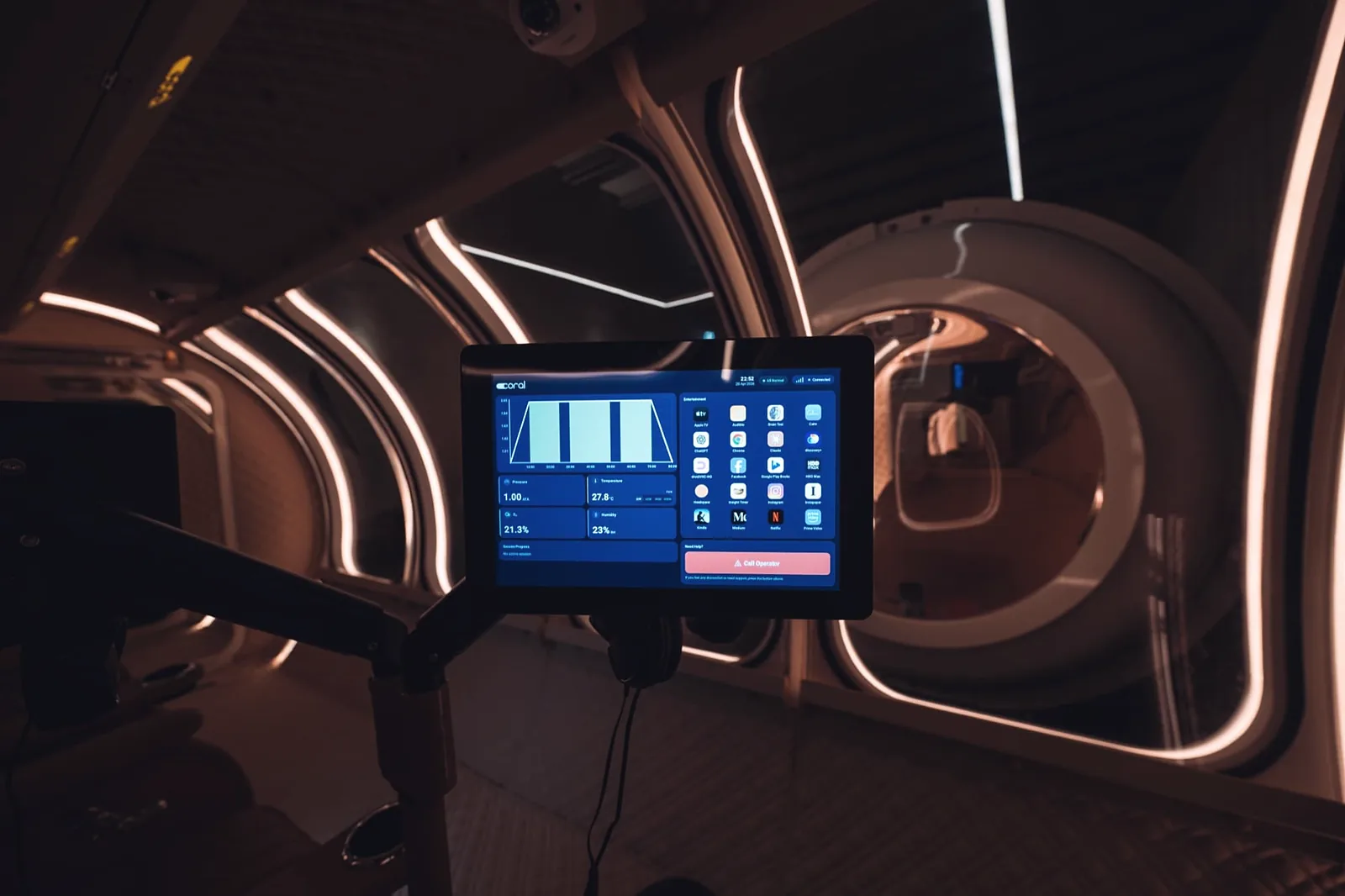
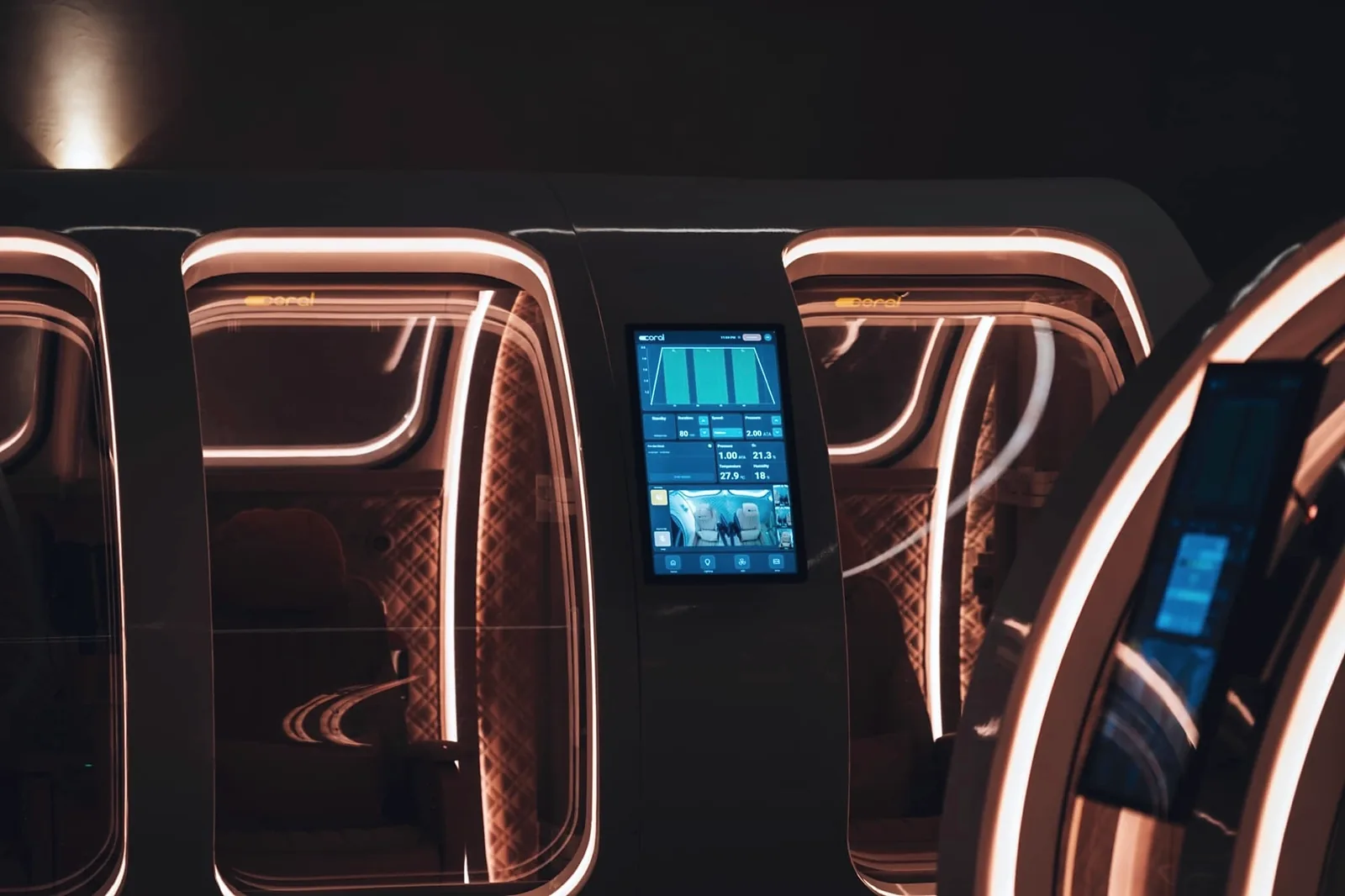
Our chambers log oxygen, pressure, temperature and humidity continuously, with automatic switchover between oxygen and air if a reading leaves range, and compression takes about ten minutes at each end.
Frequently asked questions
Which long COVID symptoms improved most?
Cognitive ones, consistently. In the Dutch registry, among patients severely affected at baseline, word-finding problems improved in 73%, irritability in 72%, memory in 70% and brain fog in 68%. The controlled trial found its clearest effects in the same territory, on attention, executive function and psychiatric symptoms. Fatigue and physical function shifted less.
How many sessions does the evidence support for HBOT in long COVID?
Forty, delivered daily five days a week over roughly eight weeks. That is what the one positive controlled trial used, what the Dutch registry used as its standard course, and what the established hyperbaric indications run at, between 30 and 60. Extending beyond 40 raised the deterioration rate more than the response rate, so longer is not automatically better.
Why did the Stockholm trial find nothing?
The leading explanation is dose. It delivered 10 sessions where the positive trial delivered 40, and the mechanism being relied on is angiogenesis and neuroplasticity, which need weeks of repeated exposure to develop. HOT-LoCO was well designed and its result is solid evidence about 10 sessions. It has not yet tested the 40-session protocol.
Can a course of HBOT make long COVID symptoms worse?
Most of the Dutch cohort completed a course without difficulty, and the recorded adverse events were largely minor and reversible. Between 13 and 19% did deteriorate meaningfully at three months, most likely because 40 daily chamber visits is a substantial exertional load for anyone with post-exertional malaise. That points to a selection question rather than a drug effect, and Dutch centers now check daily upright tolerance before starting.
Could the improvements just be placebo?
Sham arms improved in all three trials, so attention, expectation and time clearly move these scores, and some part of any effect is placebo. The Belgian authors concluded it accounts for all of it. Two findings sit awkwardly with that: the imaging changes in the Israeli trial tracked the symptom scores, and the Dutch cohort was a median 20 months post-infection, where spontaneous improvement is unlikely.
Is 2.0 ATA the right pressure for HBOT in long COVID?
The trial that found an effect used 2.0 ATA, while the two null trials used 2.4 and 2.5. That is suggestive rather than settled, because dose and pressure vary together across these studies and nobody has isolated pressure at an adequate session count. What it does establish is that the common assumption that higher pressure must work better has no support here.
- 1.Zilberman-Itskovich S, Catalogna M, Sasson E, et al. Hyperbaric oxygen therapy improves neurocognitive functions and symptoms of post-COVID condition: randomized controlled trial. Scientific Reports. 2022;12:11252. Link
- 2.Kjellberg A, Abdel-Halim L, Hassler A, et al. Ten sessions of hyperbaric oxygen versus sham treatment in patients with long covid (HOT-LoCO): a randomised, placebo-controlled, double-blind, phase II trial. BMJ Open. 2025;15(4):e094386. Link
- 3.D'hoore L, Germonpré P, Rinia B, et al. Effect of normobaric and hyperbaric hyperoxia treatment on symptoms and cognitive capacities in Long COVID patients: a randomised placebo-controlled, prospective, double-blind trial. Diving and Hyperbaric Medicine. 2025;55(2):104-13. Link
- 4.van Berkel J, Lalieu RC, Joseph D, Hellemons M, Lansdorp CA. Hyperbaric oxygen therapy for long COVID: a prospective registry. Scientific Reports. 2025;15:28351. Link
- 5.Hadanny A, Zilberman-Itskovich S, Catalogna M, et al. Long term outcomes of hyperbaric oxygen therapy in post covid condition: longitudinal follow-up of a randomized controlled trial. Scientific Reports. 2024;14:3604. Link
- 6.Catalogna M, Sasson E, Hadanny A, Parag Y, Zilberman-Itskovich S, Efrati S. Effects of hyperbaric oxygen therapy on functional and structural connectivity in post-COVID-19 condition patients: a randomized, sham-controlled trial. NeuroImage Clinical. 2022;36:103218. Link
- 7.Zamora FV, de Farias Santos ACF, Zamora AV, et al. Hyperbaric oxygen treatment for long-COVID syndrome: a systematic review of current evidence on cognitive decline. Undersea and Hyperbaric Medicine. 2025;52(3):327-35. Link
- 8.Canada's Drug Agency. Hyperbaric Oxygen Therapy: An Emerging Therapy for Post-COVID-19 Condition. Horizon Scan, 2023. Link
- 9.Undersea and Hyperbaric Medical Society. Indications for Hyperbaric Oxygen Therapy. Link
- 10.Bennett MH, Cooper JS. Hyperbaric Oxygen Therapy and Associated Cataracts. StatPearls, NCBI Bookshelf. 2024. Link